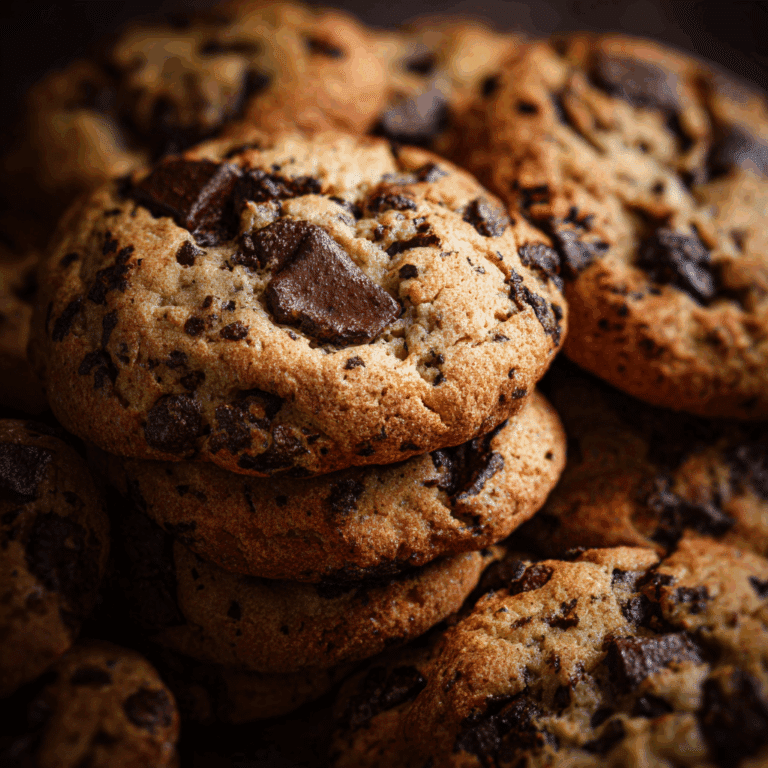
Meringue Cookies

Discover the magic of making light and airy Meringue Cookies with this simple, foolproof guide. Whether you’re a novice or a seasoned baker, these delicate sweet treats transform just a few basic ingredients into crispy, melt-in-your-mouth bites that everyone will adore. Follow along for clear steps and tips that make achieving perfect Meringue Cookies feel easy and absolutely rewarding.
Why You’ll Love This Recipe
- Effortless elegance: Meringue Cookies are simple to make yet impressively beautiful and delicate.
- Light and crispy texture: These cookies are airy and melt on your tongue, satisfying sweet cravings without heaviness.
- Few ingredients required: Just egg whites, sugar, and a pinch of cream of tartar or vinegar is all you need.
- Customizable flavor: You can easily add vanilla, cocoa, or even espresso for your own twist.
- Perfect for any occasion: Serve as party snacks, gift treats, or alongside desserts for an elegant touch.
Ingredients You’ll Need
The beauty of Meringue Cookies is in their simplicity—each ingredient plays a vital role in creating the cookie’s airy texture and sweet flavor. High-quality egg whites whip into firm peaks, sugar stabilizes the structure and provides sweetness, while a touch of acid ensures perfect consistency and crispness.
- Egg whites: Use fresh, room temperature egg whites for the best volume and stability.
- Granulated sugar: Fine sugar dissolves better for smooth, glossy meringue.
- Cream of tartar or white vinegar: Adds acidity to stabilize the egg whites and prevent collapsing.
- Vanilla extract (optional): A splash enhances flavor without overpowering the delicate sweetness.
- Food coloring or cocoa powder (optional): For adding vibrant colors or subtle chocolate flavor.
Variations for Meringue Cookies
One of the best parts about making Meringue Cookies is how easily you can personalize them. Whether you want to suit dietary preferences, experiment with flavors, or create beautiful gifts, these variations are simple yet impactful.
- Chocolate swirl meringues: Fold in cocoa powder or drizzle melted chocolate over the piped cookies before baking.
- Almond or coconut meringues: Add finely ground nuts or shredded coconut for a nutty twist.
- Fruit-flavored meringues: Incorporate freeze-dried fruit powders like strawberry or raspberry for natural color and taste.
- Vegan meringues: Use aquafaba (chickpea liquid) as an egg white substitute for a plant-based option.
- Mini meringue kisses: Pipe tiny bite-sized drops for party favors or garnishes.

How to Make Meringue Cookies
Step 1: Prepare Your Equipment
Make sure your mixing bowl and beaters are completely clean and dry, as any grease or moisture can prevent egg whites from whipping properly. Preheat your oven to a low temperature, typically around 200°F (90°C), to allow slow baking that dries the cookies perfectly.
Step 2: Whip the Egg Whites
Begin beating the egg whites on medium speed until they turn foamy. Add cream of tartar or vinegar and continue whipping until soft peaks form—where the peaks gently hold but tips droop.
Step 3: Gradually Add Sugar
Slowly add sugar one tablespoon at a time while continuing to whip. This process helps dissolve sugar fully into the whites for a glossy finish. Beat until stiff, glossy peaks form that stand straight up when the beater is lifted.
Step 4: Add Flavorings
Gently fold in any vanilla extract or additional flavorings with a spatula, being careful not to deflate the mixture. If adding food coloring, incorporate it now for even distribution.
Step 5: Pipe or Spoon the Meringue
Transfer the mixture into a piping bag for neat shapes, or use spoons to drop dollops onto a baking sheet lined with parchment paper. Leave enough space between cookies, as they do not spread much.
Step 6: Bake and Dry
Bake in the preheated oven at a low temperature for 1 to 1 ½ hours, or until the meringues are dry and crisp to the touch. Leave the oven door slightly ajar towards the end to help moisture escape and prevent soft centers.
Step 7: Cool and Store
Allow the Meringue Cookies to cool completely on the baking tray before removing. Store in an airtight container at room temperature to maintain their crispness.
Pro Tips for Making Meringue Cookies
- Use room temperature egg whites: They whip better and create more volume.
- Slowly add sugar: This ensures it dissolves completely for smooth, stable meringue.
- Don’t rush baking: Low and slow drying prevents cracking and chewy centers.
- Keep mixing bowl grease-free: Even a small amount of fat stops egg whites from whipping properly.
- Age egg whites (optional): Let them sit in the fridge for a day to reduce moisture for firmer peaks.
How to Serve Meringue Cookies
Garnishes
Meringue Cookies pair beautifully with a dusting of powdered sugar, a drizzle of melted chocolate, or crushed nuts sprinkled on top for added texture and flavor contrast.
Side Dishes
Serve alongside fresh berries, whipped cream, or soft ice cream for a refreshing balance of crisp and creamy. They also make a lovely complement to fruit tarts or chocolate mousse.
Creative Ways to Present
Try stacking small meringue cookies with layers of jam or cream in between for a delicate dessert tower or use them as cupcake toppers for an elegant touch.
Make Ahead and Storage
Storing Leftovers
Keep leftover Meringue Cookies in an airtight container at room temperature for up to two weeks. Avoid storing in the refrigerator as moisture can cause sogginess.
Freezing
To keep meringues fresh longer, freeze in a sealed container for up to one month. Thaw at room temperature before serving to regain crispness.
Reheating
If cookies lose some crispness, briefly reheat in a low oven (200°F or 90°C) for 5–10 minutes to refresh their delicate texture.
FAQs
Can I use brown sugar instead of white sugar in Meringue Cookies?
Brown sugar is not ideal since it contains molasses, which adds moisture and can prevent the meringue from drying properly and becoming crisp.
Why did my meringue cookies turn out sticky?
Sticky meringues usually result from underbaking or excess humidity, so bake longer at a low temperature and store in a dry environment.
Can I add flavors other than vanilla?
Absolutely! Almond extract, lemon zest, cocoa powder, or coffee essence are all great options to customize your Meringue Cookies’ flavors.
What causes meringue to collapse or not hold peaks?
Grease or fat in your bowl or beaters, cold egg whites, or over-beating can cause instability. Make sure equipment is clean and whites are at room temperature.
Is it possible to color Meringue Cookies?
Yes, adding gel or powdered food coloring while folding in flavorings is best, as liquid colors can loosen the meringue’s texture.
Final Thoughts
There’s something truly special about making and sharing perfect Meringue Cookies—light, crisp, and naturally sweet. With these straightforward steps and helpful tips, anyone can master this delightful treat and bring a touch of elegance to their baking repertoire. So grab your whisk and start whipping up your own batch today!
Related Posts
PrintMeringue Cookies

Light and airy Meringue Cookies made with simple ingredients like egg whites, sugar, and cream of tartar or vinegar. These delicate sweet treats are crispy, melt-in-your-mouth, customizable with flavors and colors, and perfect for any occasion.
- Prep Time: 15 minutes
- Cook Time: 1 hour 30 minutes
- Total Time: 1 hour 45 minutes
- Yield: About 24 cookies 1x
- Category: Appetizers
- Method: Baking
- Diet: Gluten Free
Ingredients
Main Ingredients
- 4 large egg whites (fresh, room temperature)
- 1 cup granulated sugar (fine)
- 1/4 teaspoon cream of tartar or white vinegar
Optional Ingredients
- 1 teaspoon vanilla extract
- Food coloring or cocoa powder (as desired)
Instructions
- Prepare Your Equipment: Make sure your mixing bowl and beaters are completely clean and dry, as any grease or moisture can prevent egg whites from whipping properly. Preheat your oven to 200°F (90°C) to allow slow baking that dries the cookies perfectly.
- Whip the Egg Whites: Begin beating the egg whites on medium speed until they turn foamy. Add cream of tartar or vinegar and continue whipping until soft peaks form—where the peaks gently hold but tips droop.
- Gradually Add Sugar: Slowly add sugar one tablespoon at a time while continuing to whip. This helps the sugar dissolve fully into the whites for a glossy finish. Beat until stiff, glossy peaks form that stand straight up when the beater is lifted.
- Add Flavorings: Gently fold in any vanilla extract or additional flavorings with a spatula, being careful not to deflate the mixture. If adding food coloring, incorporate it now for even distribution.
- Pipe or Spoon the Meringue: Transfer the mixture into a piping bag for neat shapes, or use spoons to drop dollops onto a baking sheet lined with parchment paper. Leave enough space between cookies, as they do not spread much.
- Bake and Dry: Bake in the preheated oven at 200°F (90°C) for 1 to 1 ½ hours, or until the meringues are dry and crisp to the touch. Leave the oven door slightly ajar towards the end to help moisture escape and prevent soft centers.
- Cool and Store: Allow the Meringue Cookies to cool completely on the baking tray before removing. Store in an airtight container at room temperature to maintain their crispness.
Notes
- Use room temperature egg whites for better volume and stability.
- Slowly add sugar to ensure it dissolves completely for smooth, stable meringue.
- Bake low and slow to prevent cracking and chewy centers.
- Keep mixing bowl grease-free as even a small amount of fat prevents whipping.
- Optional: Age egg whites by letting them sit in the fridge for a day to reduce moisture and create firmer peaks.
Nutrition
- Serving Size: 2 cookies
- Calories: 60
- Sugar: 14g
- Sodium: 5mg
- Fat: 0g
- Saturated Fat: 0g
- Unsaturated Fat: 0g
- Trans Fat: 0g
- Carbohydrates: 15g
- Fiber: 0g
- Protein: 1g
- Cholesterol: 0mg
Keywords: Meringue Cookies, Egg Whites, Light Cookies, Crisp Cookies, Gluten Free, Dessert, Baking