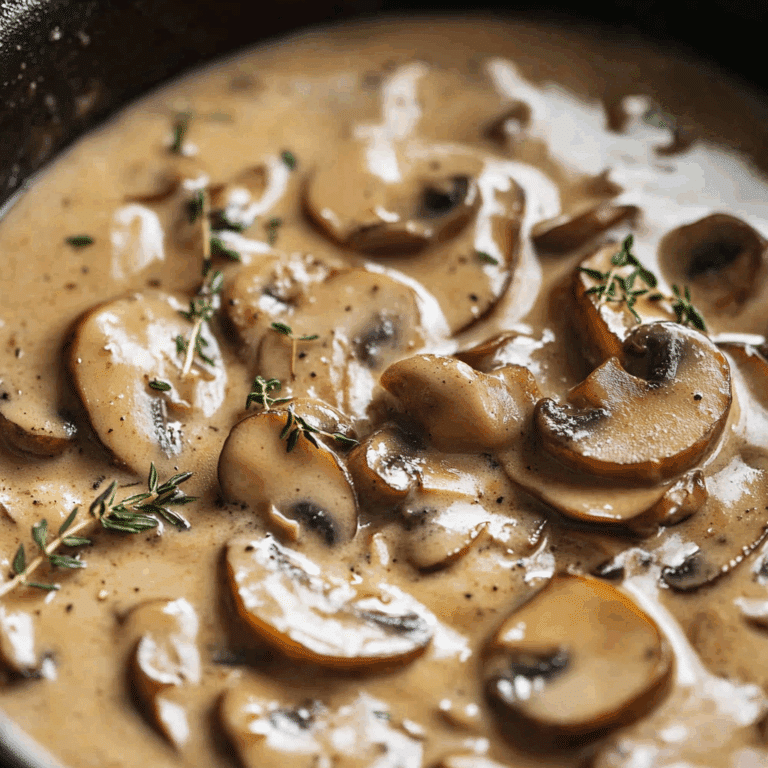
Brown Butter

Brown Butter is a magical ingredient that transforms everyday recipes into rich, nutty masterpieces bursting with flavor. By gently melting and toasting butter until it turns golden brown, you unlock deep caramelized notes and a velvety texture that enhances everything from baked goods to savory dishes. Discover how Brown Butter adds rich, nutty flavor to your dishes, making every recipe truly irresistible and unforgettable.
Why You’ll Love This Recipe
- Intensely Flavorful: Brown Butter delivers a nutty, caramel flavor that instantly elevates your dishes.
- Versatile in Cooking: Perfect in sweet treats and savory meals alike, adding complexity to a variety of recipes.
- Simple Ingredient: Made from just butter, it’s an easy upgrade that transforms your kitchen creations.
- Easy to Prepare: With minimal effort and just a bit of attention, you can achieve this gourmet taste at home.
- Enhances Texture: Adds a smooth, luxurious mouthfeel that makes foods more indulgent and satisfying.
Ingredients You’ll Need
The beauty of the Brown Butter recipe lies in its simplicity—just a few basic ingredients come together to build layers of rich flavor and an inviting aroma. Each component plays a crucial role in the depth, color, and texture of the final product.
- Unsalted Butter: The foundation for Brown Butter, allowing full control over seasoning and flavor development.
- Optional Nutmeg or Cinnamon: A pinch can enhance warmth and subtly complement the nutty tones.
- Sea Salt: Adds balance and enhances the natural richness of browned butter when adding to final dishes.
Variations for Brown Butter
One of the best parts of working with Brown Butter is how easy it is to customize and tailor to your taste preferences or dietary choices. Whether you’re aiming for something sweet, savory, or a little bit of both, these variations open up exciting possibilities.
- Brown Butter with Herbs: Stir in fresh thyme, sage, or rosemary during cooking for herbal fragrance and flavor twists.
- Brown Butter and Garlic: Add minced garlic in the final moments to create a savory base for meats and veggies.
- Brown Butter and Nuts: Toasted walnuts or pecans mixed in make dessert recipes even more decadent.
- Brown Butter Vegan Substitute: Use a plant-based butter alternative, ensuring it has a similar fat content to achieve browning.
- Brown Butter with Citrus Zest: Add orange or lemon zest at the end for a bright, fresh finish perfect in sweet applications.

How to Make Brown Butter
Step 1: Melt the Butter
Begin by placing unsalted butter in a light-colored saucepan or skillet over medium heat. Using a light pan helps you see the butter change color clearly without burning.
Step 2: Allow it to Foam
As the butter melts, it will start to foam up as the moisture evaporates. Stir occasionally to prevent sticking and watch closely as the foam begins to subside.
Step 3: Watch for Browning
Once the foam settles, the milk solids will start to brown and emit a nutty aroma. This usually happens around 5 to 7 minutes—be attentive, as it can go from browned to burnt quickly.
Step 4: Remove from Heat
When the butter reaches a golden brown shade and smells fragrant with toasted notes, immediately remove it from the heat to avoid overcooking.
Step 5: Strain and Store
For a smoother texture, strain the brown butter through a fine-mesh sieve to separate the browned solids. Store it in a heat-proof jar or use it right away to maximize its rich flavor.
Pro Tips for Making Brown Butter
- Use a Light-Colored Pan: Makes it easier to monitor the butter’s color and avoid burning.
- Stir Constantly but Gently: Keeps the milk solids moving and promotes even browning.
- Don’t Walk Away: Brown Butter cooks fast once it starts to foam down; stay nearby to watch the color.
- Cool Slightly Before Use: Let it rest a minute or two; this thickens the butter, making it ideal for drizzling or mixing.
- Use Fresh Butter: Fresh butter tastes best, yielding cleaner, richer notes when browned.
How to Serve Brown Butter
Garnishes
Brown Butter shines as a finishing touch—drizzle over steamed vegetables or roasted potatoes to bring out a complex, nutty flavor that captivates the palate. Sprinkle chopped toasted nuts for added crunch and visual appeal.
Side Dishes
Use Brown Butter as a base for tossing pasta, gnocchi, or crispy Brussels sprouts; it gives these sides a luxurious, savory dimension that pairs beautifully with fresh herbs and grated cheese.
Creative Ways to Present
Transform Brown Butter into a glaze by adding honey and a squeeze of citrus juice, perfect for glazing salmon or roasted carrots. Alternatively, blend with browned sage leaves for a delicious sauce to pour over gnocchi or angel hair pasta.
Make Ahead and Storage
Storing Leftovers
Brown Butter can be stored in an airtight container in the refrigerator for up to two weeks, retaining its flavor and ease of use in future recipes.
Freezing
You can freeze Brown Butter in small portions using an ice cube tray for up to three months; this makes it simple to thaw and use in measured amounts when needed.
Reheating
When ready to use frozen or refrigerated Brown Butter, warm gently over low heat or microwave momentarily to restore its liquid, velvety form without burning.
FAQs
What is Brown Butter?
Brown Butter is butter that has been gently cooked until the milk solids caramelize, giving it a rich, nutty flavor and a deep golden-brown color.
How do I know when Brown Butter is done?
You’ll notice the butter turns a golden brown color and emits a warm, toasted aroma—this signals that the milk solids have browned and the butter is ready.
Can I use Brown Butter in both sweet and savory dishes?
Absolutely! Brown Butter adds a rich, nutty complexity that enhances everything from cookies and cakes to meats, vegetables, and sauces.
Is Brown Butter healthy?
While browned butter contains the same basic fats as regular butter, it also develops potent antioxidants during browning, adding some healthful properties, though it should still be enjoyed in moderation.
Can I store Brown Butter for later use?
Yes, Brown Butter can be stored in the refrigerator or freezer and reheated gently when you’re ready to add its incredible flavor to your dishes.
Final Thoughts
Brown Butter is one of those simple kitchen secrets that instantly upgrades any recipe with its irresistibly rich, nutty flavor. Once you experience its magic, you’ll find yourself reaching for it in desserts, savory dishes, and everyday cooking alike. Give it a try and watch your meals become utterly unforgettable!
Related Posts
PrintBrown Butter

Brown Butter is a simple yet transformative ingredient made by gently melting and toasting unsalted butter until it reaches a golden brown color and develops rich, nutty, caramelized flavors. It enhances both sweet and savory dishes by adding depth, complexity, and a smooth, luxurious texture. Easy to prepare with just butter and optional seasonings, brown butter elevates recipes from everyday to gourmet, perfect for drizzling, glazing, or mixing into your favorite meals.
- Prep Time: 2 minutes
- Cook Time: 7 minutes
- Total Time: 9 minutes
- Yield: 1 cup
- Category: Condiment
- Method: Stovetop
- Cuisine: Universal
- Diet: Gluten Free
Ingredients
Main Ingredients
- Unsalted Butter – 1 cup (2 sticks)
- Sea Salt – to taste (optional, for seasoning finished dishes)
Optional Flavor Enhancers
- Nutmeg or Cinnamon – a pinch (optional)
- Fresh Thyme, Sage, or Rosemary – 1-2 teaspoons, fresh (optional, for herb variation)
- Minced Garlic – 1-2 cloves (optional, for savory variation)
- Toasted Walnuts or Pecans – 1/4 cup (optional, for dessert variation)
- Orange or Lemon Zest – 1 teaspoon (optional, for citrus variation)
- Plant-Based Butter Alternative – 1 cup (optional, for vegan substitute)
Instructions
- Step 1: Melt the Butter
Place unsalted butter in a light-colored saucepan or skillet over medium heat. Using a light pan helps you observe the color changes without burning the butter.
- Step 2: Allow it to Foam
As the butter melts, it will start to foam up due to moisture evaporating. Stir occasionally to prevent sticking and closely monitor the foam as it starts to subside.
- Step 3: Watch for Browning
Once the foam settles, milk solids will begin to brown and emit a nutty aroma. This typically occurs around 5 to 7 minutes. Be vigilant since the butter can quickly progress from browned to burnt.
- Step 4: Remove from Heat
When the butter reaches a golden brown color and has a toasted fragrance, remove it immediately from heat to avoid overcooking and burning.
- Step 5: Strain and Store
For a smooth texture, strain the brown butter through a fine-mesh sieve to separate and discard browned solids. Store it in a heatproof jar or use immediately to maximize its flavor.
Notes
- Use a light-colored pan to easily monitor butter color and avoid burning.
- Stir constantly but gently to keep milk solids moving and ensure even browning.
- Don’t walk away once it starts to foam down; brown butter cooks quickly at this stage.
- Let brown butter cool for a minute or two to thicken before drizzling or mixing.
- Use fresh butter for the best flavor and clean, rich brown butter notes.
Nutrition
- Serving Size: 1 tablespoon
- Calories: 100
- Sugar: 0g
- Sodium: 0.5mg (without added salt)
- Fat: 11g
- Saturated Fat: 7g
- Unsaturated Fat: 3g
- Trans Fat: 0g
- Carbohydrates: 0g
- Fiber: 0g
- Protein: 0g
- Cholesterol: 30mg
Keywords: Brown Butter, Beurre Noisette, Nutty Butter, Toasted Butter, Browned Butter Sauce, Caramelized Butter, Butter Sauce